
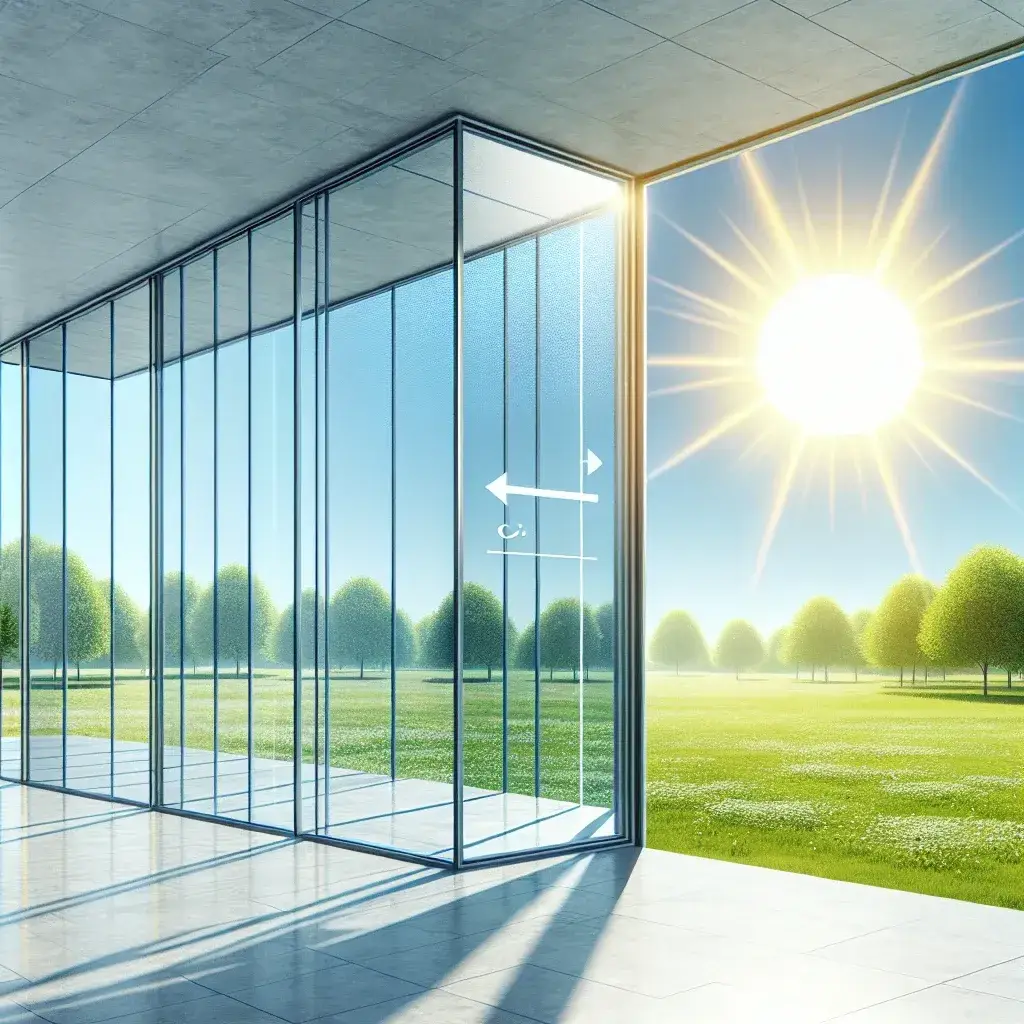
Introduction to Smart Window Coatings
In recent years, technology has revolutionized the way we think about windows. Smart window coatings are a groundbreaking solution designed to enhance the functionality of traditional glazing. They dynamically adjust their transparency based on sunlight intensity, providing a comfortable living environment while optimizing energy efficiency.
What Are Smart Window Coatings?
Smart window coatings refer to advanced materials applied to glass surfaces that can change their optical properties in response to external stimuli, particularly sunlight. These coatings can become more opaque or transparent based on the intensity of sunlight, allowing for better control over light and heat entering a building.
Types of Smart Windows
- Electrochromic Windows: These windows change tint through an electrical charge, allowing users to control their transparency at will.
- Thermochromic Windows: These coatings react to temperature changes, darkening when exposed to heat from sunlight.
- Photochromic Windows: Similar to the lenses of certain sunglasses, these windows automatically adjust their tint in response to UV light.
The Science Behind Smart Coatings
The technology behind smart window coatings involves complex materials science. By incorporating materials such as transition metal oxides or organic dyes, these coatings can react to light and temperature changes. For instance, electrochromic materials can switch between different states of coloration when a voltage is applied, enhancing their energy-saving potential.
How Smart Coatings Function
When sunlight hits a smart-coated window, the intensity of the light triggers a response from the coating. In electrochromic windows, a small electrical current changes the structure of the coating, which alters how light passes through. This feature not only provides glare reduction but also contributes to thermal comfort inside buildings.
Historical Context and Development
Smart window technology has a rich history that dates back several decades. The initial research focused on developing materials that could change properties in response to external stimuli. Over the years, advancements in nanotechnology and materials science have propelled smart windows into mainstream use, particularly in commercial buildings and luxury homes.
Key Milestones in Smart Window Technology
- 1970s: The first experiments with electrochromic materials began, paving the way for future advancements.
- 1990s: The development of commercial electrochromic windows for architectural applications started to take shape.
- 2000s: Research on thermochromic and photochromic materials expanded, leading to a variety of smart window solutions.
Benefits of Smart Window Coatings
Smart window coatings provide numerous advantages that cater to energy efficiency, comfort, and aesthetic appeal. Below are some significant benefits:
1. Energy Efficiency
One of the most compelling benefits of smart windows is their ability to reduce energy consumption. By automatically adjusting transparency, these windows can minimize the need for air conditioning and heating:
- In warmer months, the windows can darken to block excess sunlight and heat.
- In cooler months, they can remain clear to allow sunlight to warm indoor spaces.
2. Enhanced Comfort
Smart windows contribute to a more comfortable living environment. By reducing glare and maintaining a consistent indoor temperature, they help create a soothing atmosphere. Homeowners no longer have to rely solely on blinds or curtains to manage light levels.
3. Aesthetic Appeal
The sleek appearance of smart windows enhances the visual appeal of any building. With the ability to change tint on demand, they offer a modern, sophisticated look that appeals to architectural design preferences.
4. Increased Property Value
Investing in smart window technology can significantly increase the value of a property. As sustainability becomes a priority for homebuyers, energy-efficient features like smart windows can make a property more attractive.
Challenges and Considerations
While smart window coatings hold immense potential, there are several challenges and considerations to keep in mind:
1. Initial Cost
The upfront cost of installing smart windows can be higher than traditional glazing options. However, many homeowners find that the long-term energy savings justify the investment.
2. Maintenance and Durability
Smart coatings require careful consideration regarding maintenance. Some materials may be more prone to wear and tear or require specific cleaning methods to maintain their functionality.
Future Predictions for Smart Window Coatings
As technology continues to evolve, the future of smart window coatings looks promising. Here are a few predictions:
1. Increased Adoption in Residential Markets
While smart windows are currently popular in commercial buildings, their adoption in residential settings is expected to grow as awareness increases and costs decrease.
2. Integration with Smart Home Technology
Smart windows are likely to be integrated seamlessly with other smart home technologies, allowing for complete control over indoor environments through connected devices.
3. Innovations in Coating Materials
Research is ongoing to develop more efficient and cost-effective materials, leading to even better performance and wider accessibility for consumers.
Real-World Examples
Several innovative projects have showcased the benefits of smart window technologies:
1. The Edge, Amsterdam
This office building, known for its sustainability features, employs smart windows that adjust automatically based on sunlight, significantly reducing energy usage.
2. The Bullitt Center, Seattle
Regarded as one of the greenest commercial buildings, the Bullitt Center uses smart windows to enhance natural light while controlling interior temperatures effectively.
Conclusion
Smart window coatings represent an exciting frontier in building technology, offering solutions that enhance comfort, improve energy efficiency, and elevate aesthetic appeal. As we move towards a greener future, the adoption and innovation of smart windows will play a crucial role in redefining our living and working spaces. By understanding their benefits, challenges, and future potential, we can better appreciate the impact of this technology on our daily lives.