
Introduction
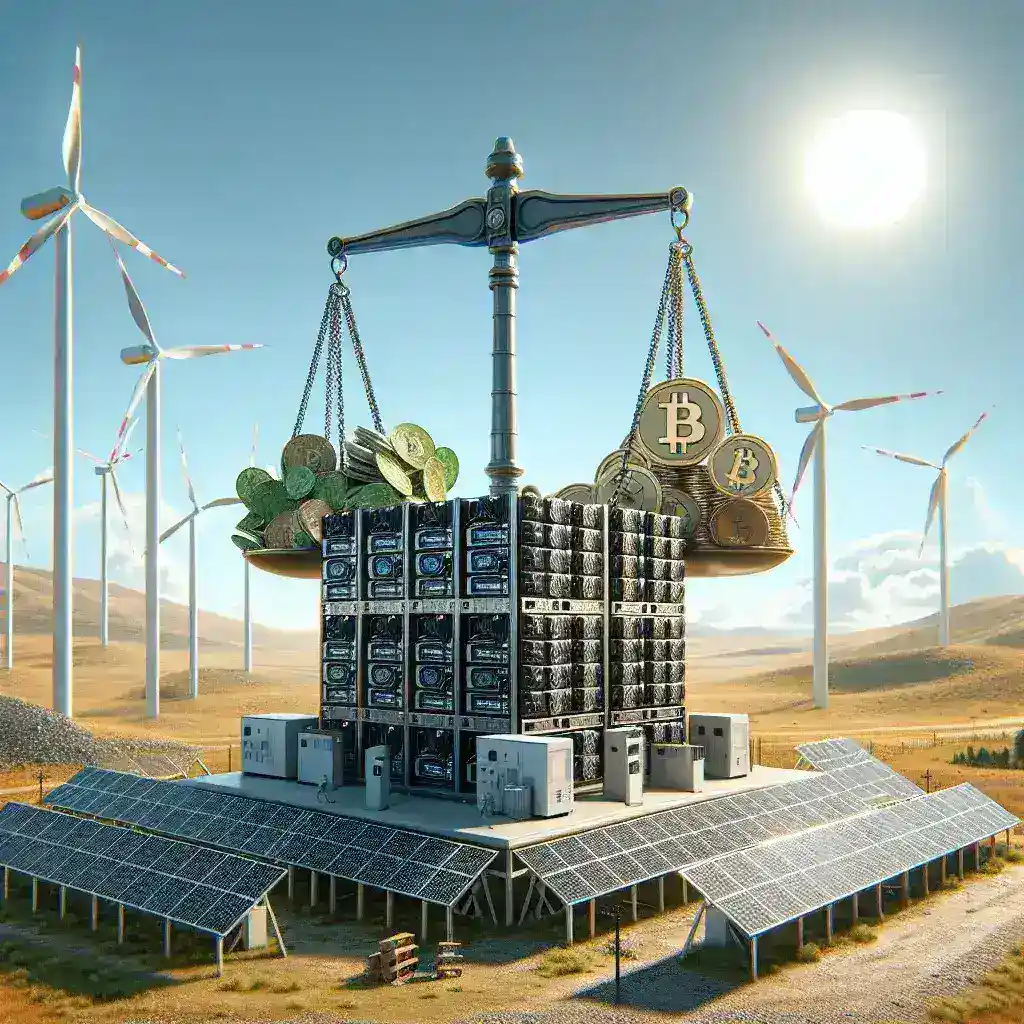
In recent years, the cryptocurrency landscape has undergone significant transformations, especially in the realm of Bitcoin mining. With the rising awareness of environmental issues and stringent regulatory measures, many Bitcoin mining operations are shifting their focus towards renewable energy sources. This article delves into the factors driving this transition, the implications for the industry, and the future of Bitcoin mining in a renewable energy context.
The Evolution of Bitcoin Mining
Bitcoin mining, the process of validating transactions and adding them to the blockchain, has evolved dramatically since its inception in 2009. Initially, mining was feasible on personal computers, but as Bitcoin gained popularity, so did the complexity of mining. This led to the rise of specialized hardware and mining farms, which consume substantial amounts of electricity.
Environmental Concerns
As the demand for Bitcoin surged, so did the scrutiny of the environmental impact of mining operations. Critics pointed out that traditional mining methods, often reliant on fossil fuels, contribute significantly to carbon emissions and global warming. Reports indicated that Bitcoin mining could consume as much electricity as entire countries, raising alarms among environmentalists and regulatory bodies.
Regulatory Pressure
Governments worldwide have begun to take a stand against the environmental ramifications of Bitcoin mining. Regulatory pressure has escalated, particularly in countries like China, where authorities banned Bitcoin mining altogether due to its high energy consumption. This shift has prompted many miners to reassess their energy sources and consider more sustainable alternatives.
The Shift to Renewable Energy
In response to regulatory pressures, a growing number of Bitcoin mining operations are transitioning to renewable energy sources. Renewable energy, including solar, wind, and hydroelectric power, offers a cleaner and more sustainable way to mine Bitcoin. Here are some key drivers behind this shift:
- Cost-Effectiveness: Renewable energy sources have become increasingly cost-effective due to advancements in technology and economies of scale. Many mining operations find that investing in renewable energy is not only environmentally friendly but also economically viable.
- Regulatory Compliance: By adopting renewable energy, miners can align with government regulations and avoid potential fines or shutdowns, ensuring the continuity of their operations.
- Corporate Responsibility: As societal expectations evolve, companies are under pressure to demonstrate corporate responsibility. Mining operations that embrace renewable energy can enhance their public image and appeal to environmentally-conscious investors.
- Technological Advancements: Innovations in energy storage and management have made it easier for mining operations to integrate renewable energy into their workflows.
Case Studies of Successful Transitions
Several Bitcoin mining operations worldwide have successfully transitioned to renewable energy. Here are some notable examples:
1. Marathon Digital Holdings
Marathon Digital Holdings, one of the largest Bitcoin mining companies in North America, has committed to transitioning to 100% renewable energy by 2022. The company has partnered with various renewable energy providers to ensure that its operations are both sustainable and compliant with regulatory standards.
2. Greenidge Generation
Greenidge Generation is another example of a mining operation utilizing renewable energy. Located in New York, this facility operates on a combination of natural gas and renewable energy sources, significantly reducing its carbon footprint.
3. Bitfury
Bitfury, a global leader in Bitcoin mining, has been proactive in exploring green energy solutions. The company has invested heavily in hydroelectric power projects, particularly in regions where water resources can support sustainable energy generation.
The Future of Bitcoin Mining
As more miners adopt renewable energy solutions, the future of Bitcoin mining appears to be shifting towards sustainability. However, several challenges remain:
- Infrastructure Development: The transition to renewable energy requires significant investment in infrastructure, which can be a barrier for smaller mining operations.
- Energy Regulation Variability: Regulatory frameworks regarding renewable energy can vary greatly by region, complicating the transition process for miners.
- Market Volatility: The cryptocurrency market is notorious for its volatility, which can impact the financial viability of investing in renewable energy solutions.
Conclusion
The shift in Bitcoin mining operations towards renewable energy is a response to both regulatory pressures and a growing commitment to environmental sustainability. As the industry continues to adapt, the integration of renewable energy sources not only helps mitigate environmental impact but also positions Bitcoin mining as a more socially responsible and compliant activity. Looking ahead, the balance between innovation, regulation, and sustainability will play a crucial role in shaping the future of Bitcoin mining.